
The Best Time to Visit Thailand: A Month-by-Month Climate Breakdown
When is the best time to fly to Thailand? It’s a question on the mind of anyone dreaming of a tropical getaway. Weather in the Land of Smiles is changeable, and the month you choose determines whether you’ll get gentle sunshine on the beach or a refreshing downpour in the jungle. To help you plan the perfect trip, we’ve put together a detailed guide to Thailand’s climate.
Thailand’s Weather by Month: When to Go to Get It Right
Thailand has a tropical climate defined by two main factors: high temperatures year-round (averaging +28 °C) and two monsoons that shape the weather patterns. In Bangkok, for example, the thermometer rarely drops below +25 °C even in winter, and in summer it can climb to +30 °C and above.
-
November - February (Comfortable Coolness)
This is prime time for most tourists. Daytime temperatures reach a pleasant +28-+30 °C, while nights bring cool relief around +20-+23 °C. Humidity drops and rain is a rare visitor. The sea is calm and inviting, perfect for swimming and water activities. These are the months when many people ask when the best time to fly to Thailand is, so they can enjoy a relaxed holiday on the famous beaches of Phuket, Samui, or Krabi.
-
March - May (Scorching Sun)
Brace yourself for the heat. Temperatures reliably climb past +35 °C, sometimes reaching +40 °C, and humidity rises too. It might not sound like the best time for a holiday, but there are upsides: flight and hotel prices are often lower, and it can be a great option for exploring northern regions like Chiang Mai, where the heat is easier to handle.
-
June - October (Rainy Season)
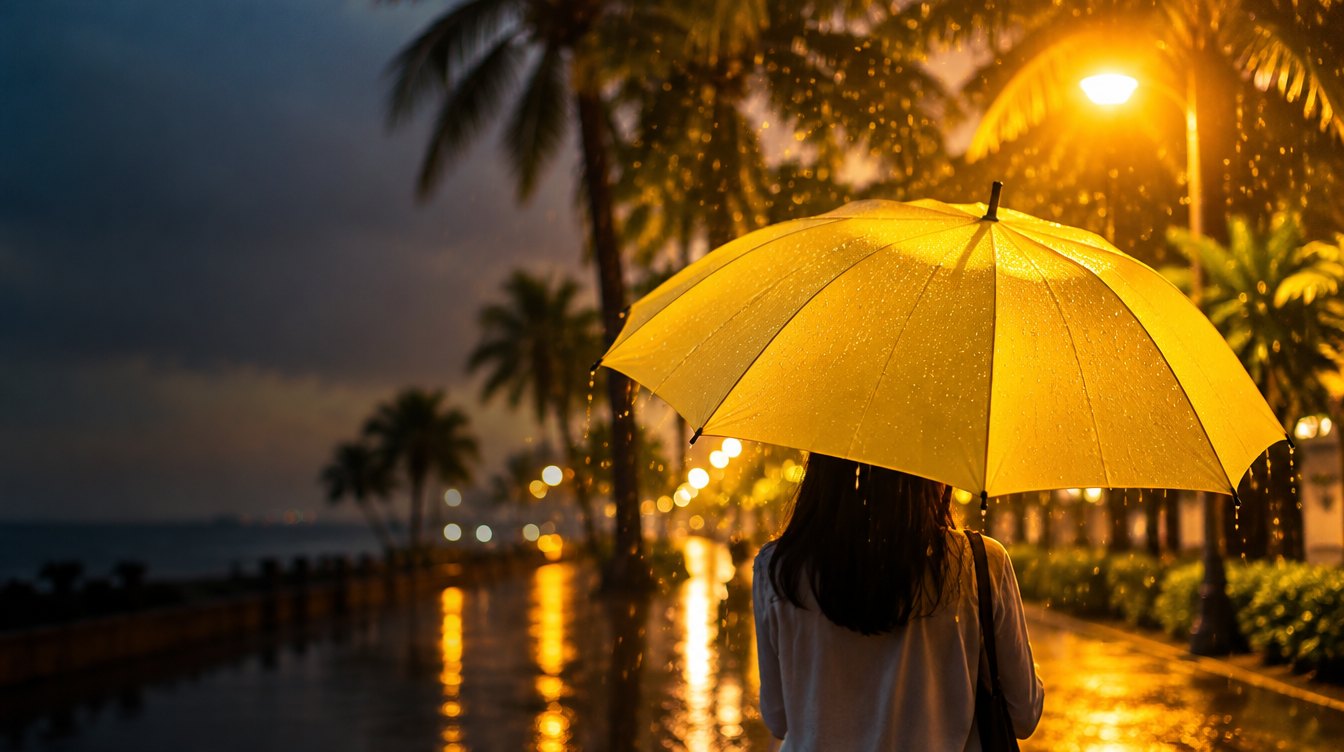
Yes, this is Thailand’s rainy season. But don’t worry: it doesn’t mean nonstop downpours. Tropical showers typically arrive in the afternoon or at night, and they’re heavy but brief. The air gets refreshed, temperatures stay comfortable around +28-+30 °C, and nature bursts into lush greenery. Prices during this period are usually the lowest. So with smart planning, Thailand’s rainy season can turn into a very affordable and picturesque adventure. Statistics show that around 80% of annual rainfall falls during these months.
Comparison Table: Resorts and Seasons
| Resort | Best Time to Visit | Rainy Period | What Makes It Appealing |
|---|---|---|---|
| Phuket | November - April | May - October | Ideal beaches, well-developed infrastructure, plenty of entertainment. During the rainy season, the west coast can see rough waves. |
| Samui | January - September | October - December | Less affected by the southwest monsoon. Good for relaxed downtime and diving. |
| Pattaya | November - April | May - October | Close to the capital, lively nightlife, affordable prices. During the rainy season, the sea can look a bit murky. |
| Chiang Mai | November - February | May - October | Mountains, temples, vibrant culture, a cooler climate. During the rainy season - waterfalls and lush greenery. |
Whether you’re coming to Thailand to buy property or looking for a place for a long-term rental, understanding these seasonal patterns will help you make the right choice. At Montmari-Asia, we’re happy to share our expertise and help you navigate the specifics of each region so your time in the Land of Smiles is truly comfortable.
Thailand’s Rainy Season: Myths and Reality
“Thailand’s rainy season” - for many, these words conjure images of endless flooding, permanently overcast skies, and a ruined vacation. It’s one of those misconceptions that’s time to bust. Officially, the season of higher humidity and frequent rainfall runs from June to October. But that doesn’t mean it pours every single day.
In reality, tropical downpours during this period are mostly short but intense bursts. A shower passes through, half an hour to an hour goes by, and the sun is back out. What’s more, this is when Thailand’s nature comes alive in a special way: the greenery turns incredibly lush, waterfalls reach full force, and the air fills with freshness. Interesting fact: while the country’s average annual rainfall is around 1400 mm, most of it (up to 80%) falls precisely between June and October.
As you’d expect, though, Thailand’s climate isn’t uniform everywhere. On Samui, for instance, the rainy season is felt less intensely than on Phuket or the mainland. While Phuket’s west coast may greet you with rough waves, the island’s east side often stays calmer. Even at the peak of the season, when average monthly rainfall can exceed 150 mm, sunny days still happen. Every region has its own quirks - on Samui, for example, the rain peaks around October-December rather than during the summer months.
So the fact that it’s Thailand’s rainy season is no reason to give up on your dream trip. It’s a time to enjoy nature at its most vibrant, see places without the crowds, and - importantly - find better deals on flights and accommodation. If you’re thinking about relocating or buying property, understanding the nuances of the local climate will help you choose a place where you’ll be comfortable year-round. Montmari-Asia’s specialists can help you find the perfect option, taking all your preferences into account.
What to Pack for the Rainy Season: A Practical Checklist
A compact raincoat weighing 200 g solves 90% of your weather problems - that’s really all you need. Tropical downpours during this period tend to be brief. Most often they’re intense but short bursts that pass within 30-60 minutes before the sun comes back out. Thailand’s nature bursts into incredible green during this time, waterfalls gain strength, and the air turns fresh. The country’s average annual rainfall is around 1400 mm, with up to 80% of that falling during these months. According to Thai meteorologists, the start of this season in 2026 fell on May 15 [1].
Thailand’s climate isn’t uniform. On Samui island, for example, the rainy season is less pronounced than on Phuket or the mainland. While waves are possible on Phuket’s west coast, the east coast often stays calmer. Even at the peak of the season, when average monthly rainfall can exceed 150 mm [3], sunny days still occur. The data show that every region has its own pattern. On Samui, for instance, the October-to-December period brings more rain than the summer months.
So when Thailand’s rainy season arrives, it’s not a reason to cancel your trip. It’s a time to enjoy lush greenery, visit less crowded places, and - importantly - find better deals on accommodation and flights. For those planning to relocate or buy property, understanding the climate patterns across different seasons will help you pick the ideal place to live, with comfortable weather year-round. Our team at Montmari-Asia is ready to help you find a property that matches your personal climate and lifestyle preferences.
What to Pack for Thailand’s Rainy Season: A Practical Checklist
If you’re heading to Thailand between June and October, it’s worth planning the right clothing and other essentials. The main principle: lightweight, quick-drying fabrics and protection from downpours.
Clothing:
- A lightweight waterproof jacket or raincoat: An absolute must-have. Choose breathable membrane fabrics that dry quickly. They’ll protect you from sudden downpours without causing you to overheat.
- Quick-drying clothes: T-shirts, shorts, and skirts made from synthetic or blended fabrics. Cotton takes a long time to dry, which can be uncomfortable.
- Closed-toe shoes: A pair of waterproof or quick-drying shoes (such as mesh sneakers or trekking sandals) will come in handy for long walks.
- Flip-flops or sandals: A few pairs of open shoes you don’t mind getting wet.
- A sarong or light scarf: Useful both for sun protection after the rain and for temple visits (as a modest covering).
- Jeans or heavier trousers: A couple of pairs for cooler evenings or protection from insects.
Accessories:
- Umbrella: A compact folding umbrella is a great alternative or addition to a raincoat.
- Waterproof case for your phone and documents: Keeping your gadgets and important papers dry is priority number one.
- Insect repellent: The humid climate makes mosquitoes more active, especially in the evening.
- Sunscreen and a hat: Despite the rain, the sun in Thailand remains strong.
- First-aid kit: A standard set with antiseptics, stomach remedies, and pain relievers.
Keep in mind that most hotels offer umbrellas and even raincoats for guests. Still, having your own compact protection is always more convenient. Skip bulky items like heavy coats or puffy jackets - you simply won’t need them. Stick to lightweight, practical items that wash easily and dry fast.
Thailand’s Resorts in the Rainy Season: Where to Find Comfort and Great Deals
Thailand’s rainy season is no reason to skip your trip. On the contrary, for many it’s a chance to see the country without the crowds and at friendlier prices. The key thing to understand is that “rainy season” rarely means constant rain. Most often it means short but intense tropical showers that pass through in the afternoon or at night, while the sky stays clear the rest of the time.
Phuket Under an Umbrella: What to Expect From the Island During the Rains
Phuket, the undisputed leader among Thailand’s islands, hits peak rainfall between May and October. That doesn’t mean your trip will be ruined, though. The main difference is rougher seas. If diving or snorkeling is on your agenda, be prepared for the water to be less clear, and some water activities may not be available. The best beaches, like Karon and Kata, are still great, but when choosing accommodation it’s better to look at hotels set slightly above sea level. That will spare you unpleasant surprises during heavy downpours.
Pattaya: City Life That Doesn’t Depend on the Weather
In Pattaya, located on the mainland, the climate picture looks different. The rainy season is noticeably milder here than on the islands. Even when it rains, showers are usually brief. That makes Pattaya a great choice for those who want to avoid exhausting heat and heavy flooding. The city’s infrastructure - plenty of malls, restaurants, and entertainment venues - lets you stay comfortable in any weather. Average air temperature stays in a comfortable range, around +30 °C. Pattaya averages 15 rainy days in July, compared to about 22 on Phuket.
Other Regions: Choosing by Season and Mood
Don’t limit yourself to just the best-known resorts. Thailand’s rainy season is a flexible concept, and rainfall intensity varies significantly from region to region.
- Samui and the Gulf of Thailand islands (Koh Phangan, Koh Tao): Here the rainy season is shifted. Rainfall peaks in October-November, while June-September often brings sunny weather, making these months ideal for beach holidays and diving.
- Northern Thailand (Chiang Mai, Chiang Rai): Spring and summer bring especially lush greenery here. Rain is generally less intense than in the south and often falls at night. It’s a great time for sightseeing, visiting ancient temples, and immersing yourself in local culture.
| Resort | Rainy Season (approx.) | Characteristics | Average Temperature (°C) | Note |
|---|---|---|---|---|
| Phuket | May - October | Heavy but brief showers, waves possible. | 28-30 | Better to choose accommodation set higher up; good for sightseeing and shopping. |
| Pattaya | May - October | Less pronounced than on the islands; city infrastructure means you’re not dependent on the weather. | 29-31 | Great for fans of active leisure and city life. |
| Samui | October - November (peak) | June-September are good months. Rain falls mostly in the second half of the year. | 27-29 | Ideal for beach holidays, snorkeling, and diving during the summer months. |
| North (Chiang Mai) | June - September | Maximum greenery, rain more often at night; ideal time for sightseeing tours. | 25-28 | For those who appreciate culture, nature, and a relaxed pace. |
When deciding on the best time to fly to Thailand, figure out your priorities first. Do you want total beach relaxation, active sightseeing among ancient ruins, or a taste of the nightlife? Even during the rainy season, Thailand has options for every taste. And, incidentally, this is also a great season to pick up property in Thailand at a good price - whether for your own use or for rental income. If you’re eyeing Phuket or Pattaya for a property purchase, check out our current listings on montmari-asia.com.
Thailand’s Rainy Season: Not as Bad as It’s Made Out to Be
Many tourists try to avoid Thailand from June to October, fearing tropical downpours. And let’s be honest, few people dream of spending a well-earned vacation to the soundtrack of pouring rain. But reality often differs from the stereotype. The rainy season isn’t a death sentence for your trip - it’s a time to see the country from a different, sometimes very rewarding angle.
The main advantage is, of course, the prices. You’ll be surprised how much cheaper flights and hotel stays become during this period. The exact discounts depend on the destination and booking timing, but a significant price drop is a fact. It’s a great opportunity to visit Thailand if your travel budget is limited. Tourist numbers also drop. Picture this: popular beaches are nearly empty, and lines at temples and tours disappear. Fewer tourists means sellers are more willing to negotiate, and an agent can show you more properties in a single trip.
Nature transforms during this time of year. Lush greenery, bright flowers, and full-flowing waterfalls - Thailand shows off its tropical beauty in full. The air turns fresh after every downpour. And the rain itself rarely lasts all day; it’s usually a heavy but short tropical shower, after which the sky clears again. Evenings bring welcome coolness, perfect for a stroll. This is also a great time for sightseeing tours - after the rain, the air becomes clearer, improving visibility, for instance when visiting the ancient temples of Bangkok.
Of course, there are downsides too. The main one is the rain itself. It can be heavy and strike at an inconvenient moment, limiting beach time or water sports. The sea can get stormy at times, and some islands may see delays in boat transport. High humidity can also be a challenge for those not used to it.
Keep in mind that Thailand is a big country, and the climate varies between resorts. For example, the rainy season on Samui island is shifted and falls mainly in October-November. Meanwhile, popular destinations like Phuket or Pattaya see rain roughly from May to October. By choosing your resort and travel dates wisely, you can minimize the effect of bad weather and enjoy all the benefits of visiting Thailand in the low season.
Thailand’s Rainy Season: When Property Becomes More Affordable
Thailand’s rainy season isn’t just about empty beaches and a lull in activity. For those who look beyond the standard tourist package, it’s a period of unique opportunities. While some postpone their trip until “high season,” the most forward-thinking investors and those seeking long-term housing are already calculating their advantage.
What does that mean for the market? Property prices, whether you want to buy an apartment in Thailand or rent a house for six months, tend to go down. This applies both to completed units and developer offers. If you’ve been considering a property investment, now is a good time to catch a genuinely good deal. This is especially noticeable in high-demand locations like property in Phuket or property in Pattaya. Sellers here are much more open to negotiation during the off-season.
The summer months, when the rains fall, are also an ideal time for anyone looking for a long-term rental in Thailand. The reasons are simple: the selection of properties is wider, and prices are lower than during peak sun season. Plus, you’ll have time to look around calmly, study the neighborhood, assess the infrastructure, and make a well-considered decision without the rush that often comes with short vacations.
Of course, you can’t ignore the weather. Some beach activities and water sports may not be available. But if your goal isn’t just a week of relaxation but a smart investment or a home for permanent living, the rainy season opens doors. Calm surroundings, fewer crowds, and more flexible prices all make the rainy period attractive for serious real estate deals.
Thailand’s Seasons: When to Fly and What to Expect
When is the best time to fly to Thailand?
For most people looking for guaranteed sunshine and minimal humidity, the ideal time is the dry season. It starts around November and lasts until the end of April. Sunny days, pleasant temperatures, and, most importantly, no exhausting humidity. That said, if you don’t mind brief, refreshing showers and want to see Thailand at its lushest and greenest, the shoulder season is also a great option. Plus, it’s a chance to save significantly on flights and accommodation.
What is Thailand’s rainy season and when does it happen?
This period is often called the “green season” or monsoon season. It typically runs from May-June through October. During this time, the air becomes noticeably more humid and rain becomes more frequent. But don’t worry: we’re not talking about endless flooding. Usually it’s intense but short tropical showers that pass quickly, after which the sun comes back out.
Does Thailand’s rainy season really mean constant rainfall?
Contrary to the scare stories, Thailand’s rainy season is not a solid wall of water. Much more often it’s powerful but short showers, which incidentally do a great job of refreshing and reviving nature. In between, you’ll get plenty of sunny weather suitable for sightseeing and beach time. Plus, this is when Thailand shows off its greenest, most vibrant side, and travel prices come as a pleasant surprise.
Is it safe to travel to Thailand during the rainy season?
Yes, absolutely. The rainy season poses no danger to tourists. All resort areas operate normally. Downpours may adjust your plans slightly, but they rarely cause serious inconvenience. The key is to keep an eye on the weather forecast and have an umbrella or raincoat on hand.
Wondering when to best enjoy Thailand’s sunshine? Or maybe you’re already planning to become a property owner in this tropical paradise? At Montmari-Asia.com we’ve gathered current listings for buying and renting property in Thailand. From compact studios to luxury villas, we’ll find an option that’s perfect for you, whatever the season.
The rainy season is a great time to look for property without the tourist rush. Browse our catalog of villas and apartments in Pattaya.
More articles